
The Timeless Art of Calligraphy
By: Suzanne Cunningham
In my opinion, calligraphy is just as important today as it was during the Golden Age, despite the widespread use of digital communication. Here are seven reasons why calligraphy remains a valuable and relevant art form in the modern world:
7 Reasons Why Calligraphy is Still Relevant Today
A Fusion of Art and Writing
Calligraphy combines visual art and writing, making it unique. It adds a human touch to words in a way that typed text simply can’t.
A Therapeutic Practice
Practicing calligraphy requires concentration, patience, precision, and diligence. The focus is on the process rather than the outcome, which makes it incredibly therapeutic for the mind and body.
A Connection to History and Tradition
Calligraphy is deeply rooted in history, and it connects us with various cultures, such as East Asian, Arabic, and Western calligraphy traditions. It’s an art form that allows you to trace history with every stroke.
Improves Motor Skills
The precision involved in learning calligraphy sharpens both eye-hand coordination and fine motor skills, which are valuable benefits beyond the page.
Adds a Personal Touch
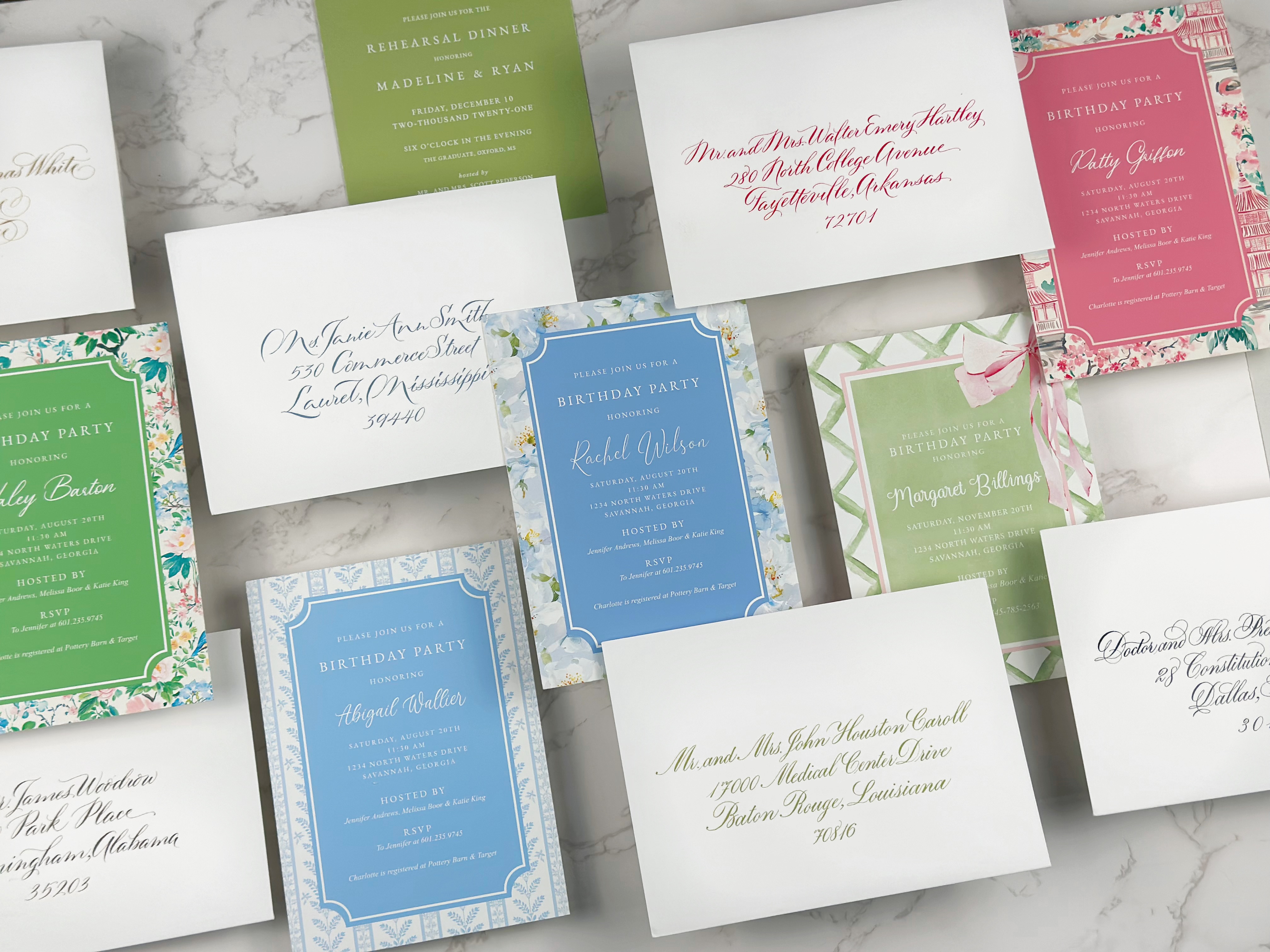
Calligraphy provides a personal touch to invitations, greeting cards, and professional branding. It elevates any communication with an elegant, handmade quality.
Relevance in the Digital Age
Even in digital media, there is a demand for fonts and design elements that mimic calligraphy, keeping this ancient art form relevant in today’s digital landscape.
A Creative Escape
Calligraphy offers a creative outlet that allows you to disconnect from screen time and enjoy a tactile, meditative activity.

Copperplate Script: An Elegant Calligraphy Style
Copperplate script is a beautiful style of calligraphy known for its elegant, flowing letterforms and the contrast between thick and thin lines. Developed in the 18th century, it’s widely used for wedding invitations, high-end stationery, and formal documents. It is a classic, traditional hand that reflects the artistry and precision of its time.
Key Characteristics of Copperplate Script:
Flexible nibs made of steel create delicate, hairline upstrokes and bold, shaded downstrokes, resulting in a striking contrast that is characteristic of Copperplate.


Key Elements of Copperplate Script
Tools:
- Pen Holder: Straight or oblique holder
- Nib: Hunt 101, Hunt 22B, Leonardt Principal Extra Fine, Nikko G, and Zebra G
- Ink: Walnut ink, sumi ink, or gouache
- Paper: Rhodia or Canson marker paper
Basic Strokes:
- Thin upstrokes: These are called “hairlines.”
- Thick downstrokes: These are referred to as “shades.”
- Eight basic strokes make up the lowercase letters (minuscules), and these strokes are combined in different ways to create each letter.
Slant and Guidelines:
- Copperplate script is traditionally written at a 55° slant.
- Guidelines for Copperplate include:
- Baseline: Where your letters sit
- Waistline: The top of the short letters (e.g., the letter “x”)
- First Ascender Line: Where letters “d” and “t” reach
- Second Ascender Line: Where letters “b,” “f,” “k,” and “l” reach
- First Descender Line: Where letter “p” reaches
- Second Descender Line: Where letters “g,” “f,” “j,” “a,” “y,” and “z” reach
- Each letter follows specific rules for shape and proportion.

Learning the Copperplate Script Alphabet
- Start with the Basics:
Begin by practicing the basic strokes for lowercase letters (minuscules). Once you’re comfortable with these, move on to the full letters, then words, and finally sentences.
- Master Uppercase Letters:
Once you’ve mastered the minuscules, move on to uppercase letters (majuscules). Again, begin by practicing the basic strokes for the uppercase letters before writing the full letterforms.
Practice Tips for Success
- Practice in Short, Focused Sessions:
Practice your basic strokes and letterforms in short, focused batches. Be sure to self-critique and make notes on what you can improve.
- Use a Trusted Exemplar:
Follow a trusted exemplar, such as the Speedball Textbook (25th Edition), which offers great examples to model your work after.
Build Muscle Memory:
It’s more effective to have several short, focused practice sessions rather than long, sporadic ones. Regular practice helps you build muscle memory, making the letterforms more fluid over time.
Calligraphy, particularly the Copperplate script, offers a timeless and creative outlet. Whether used for personal projects or professional branding, the precision and artistry of calligraphy have enduring value. It remains as relevant today as ever—blending history, tradition, and artistry in a beautiful, tactile form. By practicing consistently, you’ll find that the art of calligraphy is both challenging and deeply rewarding.
Resources for learning calligraphy:
- learncalligraphy.com online classes
- Speedball Textbook 25th edition https://amzn.to/4hL1Ocj
- iampeth.com
- Copperplate Calligraphy from A to Z by Sarah Richardson https://amzn.to/3YW9kIW
- Mastering Copperplate Calligraphy by Eleanor Winters https://amzn.to/40MAlkz
- Classic Calligraphy for Beginners by Younghae Chung https://amzn.to/3AQ69Kv
Calligraphy supplies:
- paperinkarts.com
- johnnealbooks.com
- inkmethis.com
- Straight pen holder https://www.paperinkarts.com/dymhld.html
- Ivory Inlaid Wooden Straight Holder, Brown https://www.paperinkarts.com/dymhld.html
- Oblique pen holder https://www.paperinkarts.com/h155.html
- Walnut ink https://www.paperinkarts.com/walbot.html
- Sumi ink https://www.paperinkarts.com/moonpa.html
- Gouache https://www.paperinkarts.com/wnser1.html
- Hunt 101 nib https://www.paperinkarts.com/hnt101.html
- Hunt 22B nib https://www.paperinkarts.com/hunt22.html
- Leonardt Principal Extra Fine nib https://www.johnnealbooks.com/product/leonardt-principal-ef-nib
- Nikko G nib https://www.paperinkarts.com/nikkog.html
- Zebra G nib https://www.paperinkarts.com/zebrac.html
- Rhodia paper https://www.paperinkarts.com/P80-Lined.html
- Canson marker paper https://www.paperinkarts.com/P2041.html
- Guideline generator https://www.lanquach.com/guidesheet
Photos provide by Suzanne Cunningham

About the author:
Suzanne Cunningham is a professional calligrapher with 31 years of experience. She was co-editor of the 25th edition Speedball Textbook and is a Calligraphy Masters team member. Suzanne has taught in-person workshops with numerous guilds throughout the country. She was also an instructor at Letterworks 2017, IAMPETH 2019, 2021, 2022, and 2024. She currently teaches a variety of online classes through learncalligraphy.com. She specializes in flourished Copperplate script, wedding invitation designs, and monograms. You can find Suzanne’s work on Instagram by searching @suzcunningham.
Share this post:
Click this link to visit our shop! Follow us on social media below!
Southern Hospitality Company
3 responses to “The Timeless Art of Calligraphy”
Absolutely gorgeous work! Love everything about this article!
What a beautiful article. Loved learning the names of the different lines as well as the history behind calligraphy. Such a gorgeous art!
Beautifully written and demonstrated! Suzanne’s work is truly timeless and so gorgeous in every way.