
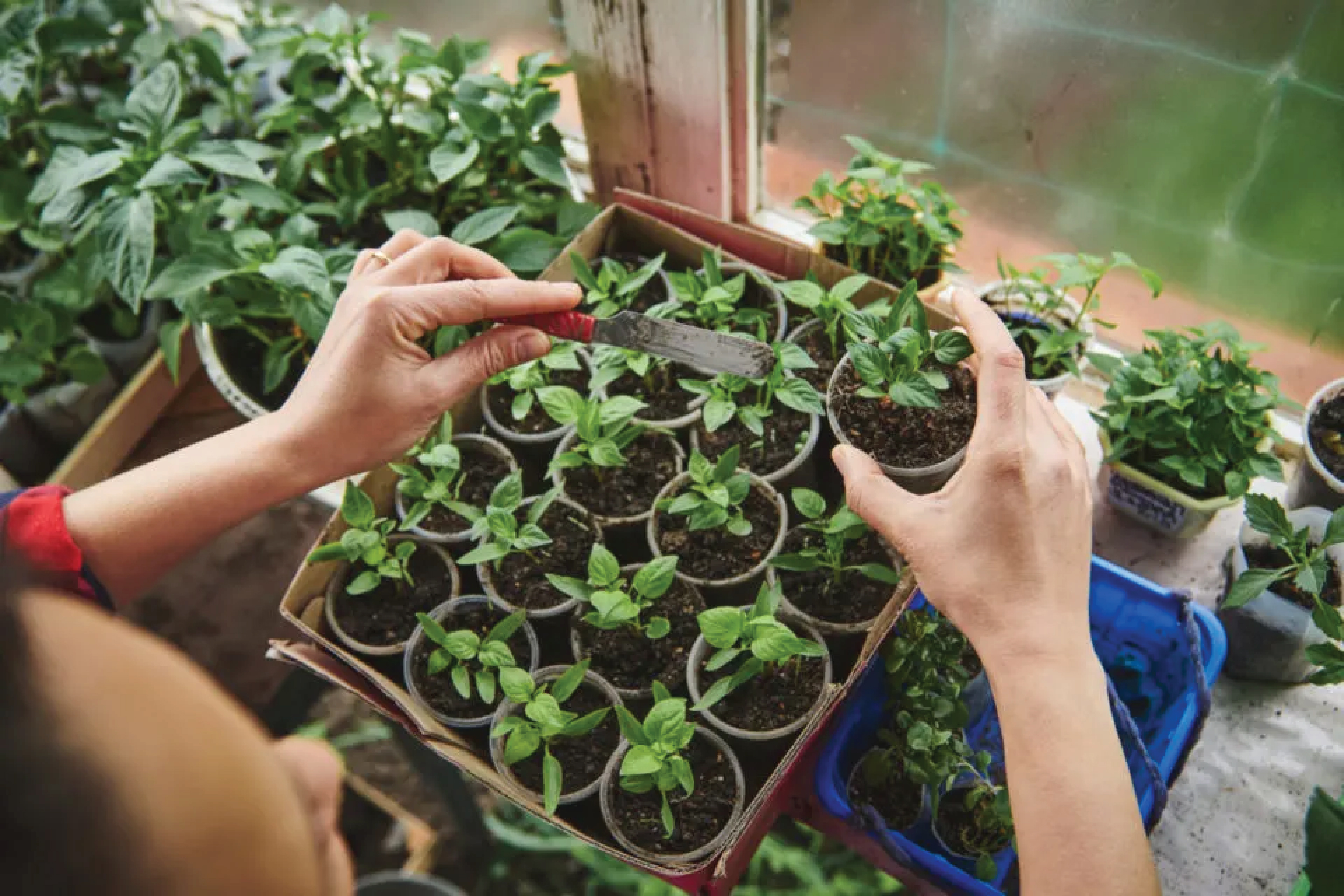
Starting Your Indoor Herb Garden This Winter
By: Ashlyn Walters / Southern Hospitality Company
Winter may be here, but that doesn’t mean you have to abandon your green thumb. In fact, growing an indoor herb garden is one of the most rewarding and easy ways to bring a little nature into your home while also adding fresh flavor to your meals. If you’ve never grown herbs indoors before, don’t worry—I’ve been there, and I’ve learned a few things along the way that I’m excited to share with you.
There’s something special about walking into your kitchen and having fresh herbs right at your fingertips. Whether you’re adding a sprinkle of basil to your pasta or tossing rosemary into your roasted potatoes, the flavor is always that much better when it’s fresh. Plus, it’s surprisingly easy to grow herbs indoors, and it’s a great way to bring some greenery into your home when everything outside is a bit grey.
Choosing the Right Herbs for Your Indoor Garden
Let’s talk about what herbs to grow indoors. Not every herb thrives in the indoor environment, and some are more forgiving than others. But the good news is, with a little planning, you can have a bountiful herb garden right inside your home. Here are my top picks for herbs that do well indoors, even during winter months:
Basil – A classic kitchen herb that loves warmth and sunlight. Basil is perfect for your windowsill or under a grow light. Just make sure to rotate the pot regularly so it grows evenly.
Mint – Mint is hardy and easy to grow, making it ideal for indoor gardens. Its refreshing flavor is great for teas, cocktails, or desserts. But a word of caution—mint is a spreader! Keep it in its own pot to prevent it from overtaking your garden.
Chives – These are low-maintenance and grow well indoors, with their mild onion flavor that enhances everything from salads to omelets.
Rosemary – A bit more temperamental, but if you give it at least 6 hours of light each day, rosemary will flourish indoors. It’s fantastic in winter cooking, especially in hearty soups and roasted vegetables.
Thyme – Another winter-friendly herb, thyme’s subtle flavor is perfect for soups, stews, and roasting. It thrives in dry environments, so it doesn’t need constant attention.

Setting Up Your Indoor Herb Garden
Now that we’ve covered the herbs to grow, let’s talk about how to set up your garden. Don’t worry, you don’t need a ton of space or fancy equipment to get started. Here’s how I set up my own herb garden at home:
Find the Right Spot
Choose a location where your herbs can get plenty of natural light—ideally, at least 6 hours a day. A south- or west-facing windowsill is perfect. If you’re short on natural light, consider investing in a grow light to give your herbs the best chance of thriving.
Shop Indoor Grow Light – Shop Tabletop Grow Light – Shop Garden Grow Light
Choose the Right Pots
Make sure each herb has its own pot. I’ve learned this the hard way. Some herbs like to spread (hello, mint!), and others prefer to have their own space. A 6-inch pot is usually perfect for most indoor herbs. Ensure your pots have good drainage; otherwise, you risk waterlogging your plants. I like to use ceramic or clay pots because they let the soil breathe better.
Shop Indoor Herb Planters – Shop 5-Pack Herb Planters – Shop Lattice Ceramic Planters
Quality Soil
Don’t skimp on the soil. I use a good-quality potting mix, which helps with both drainage and moisture retention. If you want to take it a step further, you can add a bit of perlite or vermiculite to improve drainage. I always make sure my herbs have a proper foundation to grow strong.
Watering Wisely
The key to success with indoor herbs is not overwatering. Herbs don’t like soggy roots, and if you drown them, they’ll let you know by wilting. I like to let the top inch of soil dry out before watering again, and I make sure the pots drain well to prevent standing water. A simple moisture meter can also help take the guesswork out of watering.
Shop Indoor Watering Can – Shop Gold Watering Can
Garden Products We Love:


Pro Tips for a Thriving Indoor Herb Garden
Here are a few tricks I’ve picked up along the way that can make all the difference when growing herbs indoors:
Harvest Regularly
One of the secrets to keeping herbs healthy and growing is to use them! Don’t let them get too comfortable sitting there. Prune and harvest regularly. The more you cut, the more they’ll grow. Plus, you’ll get to enjoy fresh herbs in your cooking on a regular basis, which is a win-win.
Rotate Your Herbs
One lesson I learned the hard way is to rotate your plants regularly. If you leave them in one position for too long, one side can stretch awkwardly toward the light, while the other side remains leggy and weak. I rotate my herbs every few days, and it keeps them growing evenly. It’s a simple habit, but it makes a huge difference.
Use a Tray for Convenience
If you’re anything like me and tend to have a bit of kitchen clutter, placing your herbs on a tray makes watering and moving them around so much easier. It also prevents any messy water runoff, especially when you’re watering more than one pot. Plus, a tray with decorative rocks adds a lovely touch of rustic charm to your kitchen.
Invest in Herb Markers
If you have a bunch of herbs, sometimes it’s hard to keep track of what’s what. I love using plant markers or tags to label each pot. Not only does it keep me organized, but it also adds a personal, farm-to-table feel to my kitchen.
Consider Indoor Herb Kits
If you’re a beginner and want a simple, no-fuss way to start your indoor garden, herb-growing kits are a great choice. These kits come with everything you need—soil, seeds, pots, and step-by-step instructions. I’ve given these kits as gifts, and they’re always a hit. It’s a low-pressure way to try indoor gardening without feeling overwhelmed.


Companion Planting
Not all herbs get along, so if you’re growing a few different varieties, make sure to group compatible ones together. For instance, basil and parsley grow well side by side, but mint can be a bit of a bully. Keep it in its own pot to prevent it from taking over. Experiment with different combinations to see what works best for you.
Don’t Overestimate Pot Size
It’s tempting to think bigger is better when it comes to pots, but that’s not always the case with herbs. I’ve made this mistake before by giving my basil too much space, only to realize it was growing too slowly. Herbs like basil, thyme, and rosemary actually thrive in smaller pots as long as they have good drainage. Smaller pots also prevent overwatering, which can be a real issue indoors.


Using Fresh Herbs in Your Cooking
I can’t tell you how much more flavorful meals are when you use fresh herbs. Fresh herbs bring a depth and vibrancy that dried herbs simply can’t match. Here’s how I use my indoor herb garden in the kitchen:
- Pasta & Sauces: Fresh basil and oregano are perfect for tossing into pastas or blending into marinara sauce. The scent of fresh basil alone is enough to make any pasta dish feel gourmet.
- Soups & Stews: Rosemary, thyme, and parsley are key players in hearty winter soups and stews. I love adding rosemary to roasted chicken or using thyme to flavor my soups. It’s an easy way to bring comforting warmth to every bite.
- Garnishes & Salads: Fresh herbs add a pop of color and flavor to salads and dishes that need just a little something extra. Chives, mint, and parsley are my go-tos for garnishing.
- Drinks & Desserts: Mint is my secret weapon in the kitchen—not just for savory dishes but also in drinks like mojitos or for adding a refreshing touch to fruit salads and desserts.
Herb Preservation
What happens when your indoor herb garden is doing too well, and you can’t keep up with the harvest? The solution: preserve your herbs! Here’s what I do:
Freezing: Chop your herbs and place them in an ice cube tray. Fill the tray with water or olive oil, and freeze. You’ll have ready-to-use herb cubes whenever you need them!
Drying: Simply hang your herbs upside down in a cool, dry spot (I use my pantry). Once they’re fully dried, you can crumble them into jars for use later or mix them with flaky sea salt and give them as gifts.
Shop Cork Topped Jars – Shop Custom Labels
Bonus Recipe: Herb-Infused Olive Oil
One of my favorite ways to use fresh herbs is by making Herb-Infused Olive Oil. It’s simple, and you’ll be amazed at how much flavor it adds to your dishes. Plus, it’s a great way to use up any extra herbs you have on hand!

Ingredients:
- 1 cup extra virgin olive oil
- 3 sprigs rosemary
- 2 sprigs thyme
- 2 sprigs oregano
- 1 garlic clove (optional)
Instructions:
- In a small saucepan, heat the olive oil over low heat until warm (but not boiling).
- Add the rosemary, thyme, oregano, and garlic (if using).
- Let it simmer for 10-15 minutes, allowing the herbs to infuse the oil with their flavor.
- Remove from heat and let it cool. Strain out the herbs and store the oil in a jar.
- Drizzle it over bread, roasted veggies, or pasta for an extra burst of flavor.
Growing herbs indoors during the winter months is one of the simplest joys you can bring into your life. Not only does it add beauty and fragrance to your home, but it’s also an easy way to improve your cooking. Fresh herbs elevate the simplest of dishes, and the act of nurturing your plants can be surprisingly fulfilling during the colder months. Whether it’s the satisfaction of harvesting your basil for a fresh pesto or the simple pleasure of breathing in the scent of rosemary as you prepare dinner, an indoor herb garden is an easy way to make winter feel a little warmer.
Happy planting!
-Ashlyn Walters / Southern Hospitality Company
Share this post:
Click this link to visit our shop! Follow us on social media below!
Southern Hospitality Company
One response to “Starting Your Indoor Herb Garden This Winter”
I love fresh herbs and always use them but the selection at my grocery stores in the winter is a crime! I have always been intimidated about growing herbs in the winter as I always murder them 🙁 I think I will purchase one of those grow lights you suggested and try to give it a go! Wish me luck!